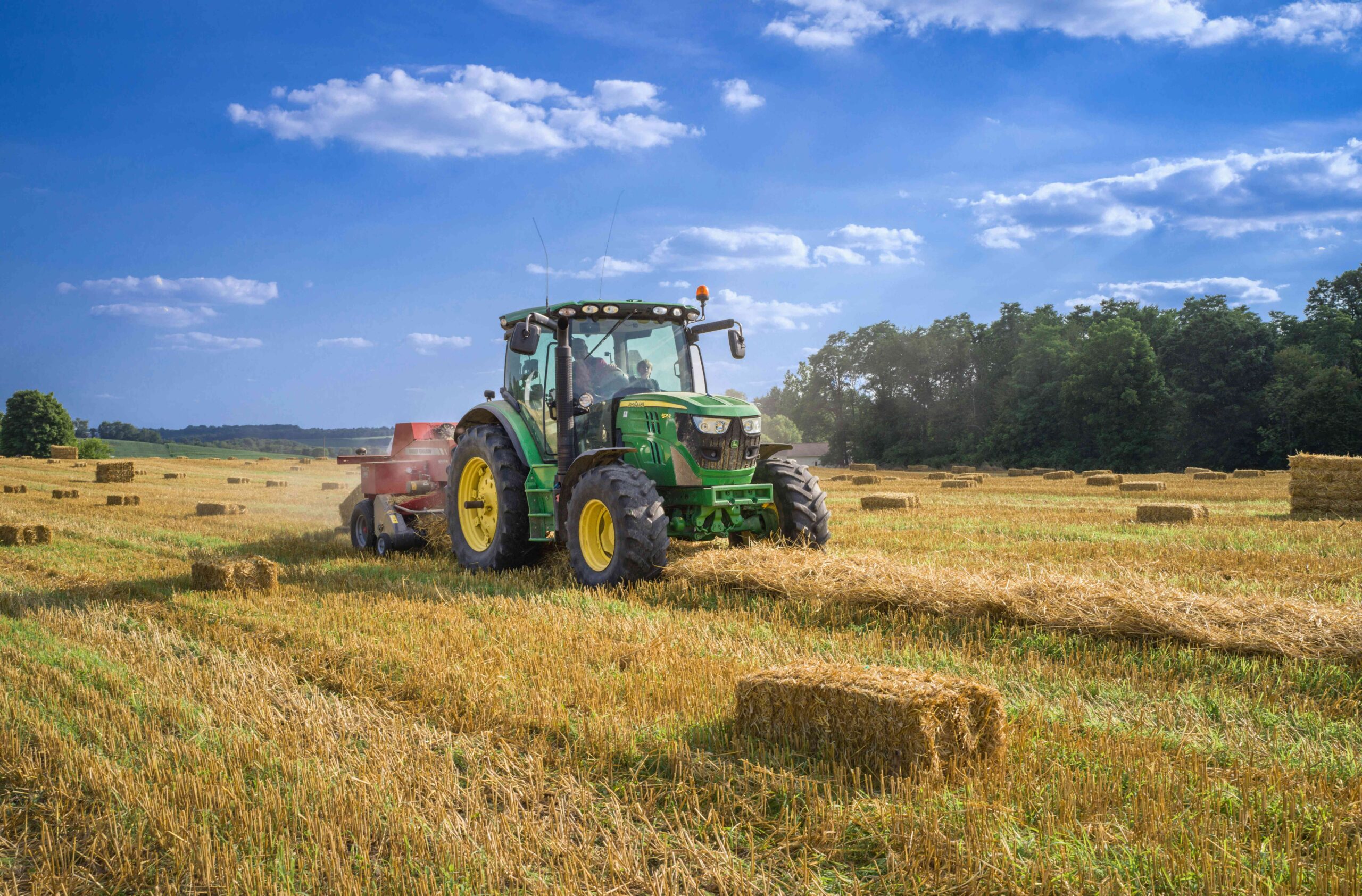
Farm machinery has become more advanced as farmers seek better ways to boost productivity, cut operating costs, and manage agricultural work efficiently. Modern tractors, harvesters, sprayers, and other agricultural equipment require engines that deliver reliable power while using less fuel and producing fewer emissions. These changing demands are encouraging manufacturers to develop new engine technologies and improve existing designs. As a result, farm machinery is driving innovation in engine design. From advanced fuel systems to intelligent electronic controls, agricultural equipment is influencing how modern engines are built, tested, and improved.
Growing Agricultural Demands Encourage Engine Innovation
Farming operations often involve challenging working conditions, including heavy soil, uneven fields, extreme temperatures, and long operating hours. Traditional engines may struggle to maintain consistent performance under these demanding conditions. Modern agricultural machinery requires engines that can handle heavy workloads without sacrificing efficiency or reliability.
These requirements encourage manufacturers to focus on stronger engine components, improved cooling systems, and better power delivery. Engine designs must support different agricultural applications while maintaining consistent performance. For example, a tractor used for plowing needs strong pulling power, while a combine harvester requires dependable performance during long harvesting periods.
As farming equipment evolves, engine manufacturers are developing solutions that meet these different operational needs.
Fuel Efficiency Is Changing Modern Engine Design
Fuel consumption is a major concern for farmers because agricultural machinery often operates for several hours each day. Higher fuel costs can increase production expenses and reduce overall profitability. This has encouraged manufacturers to design engines that deliver more power while consuming less fuel.
Modern fuel injection systems improve combustion by controlling how much fuel enters the engine and when it is delivered. Electronic fuel management also helps engines adjust their performance according to changing workloads.
Turbocharging is another important development. It increases the amount of air entering the combustion chamber, allowing the engine to generate greater power from a given engine size. These improvements help agricultural machinery operate efficiently while reducing unnecessary fuel consumption.
Advanced Engine Technology Improves Power Delivery
Farm machinery frequently performs demanding tasks that require steady power and high torque. Whether pulling heavy equipment, moving through thick soil, or operating large harvesting attachments, agricultural engines must maintain performance under changing conditions.
Manufacturers are responding by developing engines that provide stronger low-speed torque and smoother power delivery. Improved engine designs allow tractors and other machines to handle heavy workloads without frequent interruptions.
Modern electronic systems also help manage engine speed and power output. By matching performance to the task, these technologies support better equipment operation and reduce unnecessary engine strain.
Emission Standards Encourage Cleaner Engine Designs
Environmental concerns are influencing engine development across the agricultural industry. Diesel engines remain widely used in farm machinery because of their durability and high torque. However, manufacturers must also address emissions and improve environmental performance.
Modern agricultural engines increasingly use technologies such as diesel particulate filters, selective catalytic reduction, and exhaust gas recirculation. These systems help reduce harmful pollutants produced during engine operation.
Improved combustion processes also contribute to cleaner performance. By controlling fuel delivery and air intake more accurately, manufacturers can improve engine efficiency while supporting stricter emission requirements.
These developments allow farmers to use powerful machinery while helping reduce the environmental impact of agricultural activities.
Digital Technology Is Making Engines Smarter
Digital technology is creating new opportunities for innovation in agricultural engine design. Modern engines can use sensors and electronic control units to monitor operating conditions and automatically adjust performance.
These systems collect information about engine temperature, fuel pressure, air intake, and load requirements. The control unit uses this information to maintain suitable operating conditions and improve overall efficiency.
Some advanced agricultural machines also include telematics systems that allow operators to monitor engine performance remotely. Farmers can review fuel consumption, operating hours, maintenance alerts, and equipment condition.
This information makes it easier to identify potential problems and schedule maintenance before a small issue becomes a major breakdown.
Engine Durability Supports Longer Working Hours
Agricultural machinery often operates in dusty environments and under heavy loads. These conditions can increase engine wear and place additional pressure on important components.
To address these challenges, manufacturers are improving engine materials, filtration systems, lubrication technology, and cooling designs. Stronger internal components help engines withstand demanding workloads, while advanced filtration protects important parts from dust and other contaminants.
Better cooling systems also prevent excessive heat during extended operation. These improvements support longer engine life and reduce the likelihood of unexpected equipment failures.
For farmers, durable engines mean fewer interruptions, lower maintenance expenses, and greater confidence during important farming seasons.
Alternative Power Sources Are Influencing Future Designs
Demand for sustainable agricultural equipment is pushing manufacturers to explore alternative engine technologies. Electric tractors, hybrid power systems, and engines designed to use alternative fuels are becoming important areas of development.
Electric machinery can reduce direct exhaust emissions and operational noise. Hybrid systems combine traditional engines with electric power to improve efficiency in suitable applications.
Although diesel engines remain essential for many heavy agricultural tasks, alternative power technologies may provide additional options for specific farming operations. Their development is encouraging manufacturers to rethink engine architecture, energy storage, and power management.
The Future of Agricultural Engine Innovation
Farm machinery will continue to influence engine design as agricultural operations become more technology-driven. Manufacturers are focusing on improved efficiency, stronger performance, lower emissions, and smarter monitoring systems to meet farmers’ changing needs.
These innovations are helping create engines that are more reliable, adaptable, and economical to operate. As precision agriculture and automated machinery become more common, engine technology will remain an important part of equipment development.
Ultimately, the relationship between farm machinery and engine innovation will help shape agriculture’s future. Better engine designs can support higher productivity, reduce operating expenses, and provide farmers with dependable equipment for increasingly demanding agricultural operations.