Energy costs affect nearly every part of modern business operations. Companies depend on electricity, fuel, heating, cooling, and equipment to maintain daily productivity. However, increasing energy expenses can reduce profits and limit opportunities for growth. Businesses must find practical ways to manage these costs without affecting service quality or employee performance. Smarter energy systems provide effective solutions by improving energy efficiency, reducing waste, and helping organizations make informed decisions about resource consumption.
Modern energy technology allows businesses to monitor electricity use, improve equipment performance, and control unnecessary expenses. For example, automated controls, energy management software, and efficient machinery can help companies use power more responsibly. Moreover, these technologies support better financial planning and long-term sustainability. By adopting smarter energy solutions, organizations can reduce operating expenses while building more reliable and productive business environments.
Understanding the Relationship Between Energy and Operating Costs
Energy consumption represents a significant operating expense for many businesses. Manufacturing facilities, commercial buildings, transportation companies, and warehouses require consistent energy supplies to maintain daily operations. As a result, inefficient systems can create unnecessary expenses that affect overall profitability. Older equipment, poor maintenance, and excessive electricity use often increase energy bills without improving productivity. Understanding these problems is the first step toward developing a more effective energy management strategy.
Businesses can begin by reviewing their current energy consumption patterns. Utility bills, equipment records, and operating schedules provide useful information about where energy expenses occur. Furthermore, comparing usage across departments can reveal areas that require improvement. For example, a warehouse may consume unnecessary electricity through outdated lighting or poorly maintained cooling systems. Identifying these issues allows managers to prioritize practical improvements and control expenses more effectively.
Using Smart Energy Management Technologies
Smart energy management systems help businesses monitor and control electricity consumption. These systems collect information from connected meters, sensors, and equipment. Managers can then review energy usage and identify unusual consumption patterns. In addition, automated controls can adjust lighting, ventilation, and heating based on occupancy or operating schedules. This approach reduces unnecessary energy use while maintaining comfortable and productive working conditions.
For example, a commercial office can use smart thermostats to control indoor temperatures throughout the day. When employees leave certain areas, automated systems can reduce heating or cooling without affecting occupied spaces. Similarly, smart lighting can turn off unnecessary lights in empty rooms. These improvements help businesses lower electricity expenses while maintaining a reliable environment for employees and customers.
Improving Equipment Efficiency and Performance
Business equipment often consumes more energy than necessary when it becomes outdated or poorly maintained. Motors, refrigeration units, heating systems, and industrial machines can gradually lose efficiency. Consequently, companies may experience higher utility expenses and increased maintenance costs. Replacing inefficient equipment with modern alternatives can improve performance and reduce energy consumption. However, businesses should evaluate purchase prices, expected savings, and equipment lifespan before making investments.
Regular maintenance also plays an important role in energy efficiency. Cleaning filters, inspecting electrical connections, and servicing mechanical systems help equipment operate properly. Moreover, preventive maintenance can identify developing problems before they cause expensive breakdowns. For instance, a poorly maintained cooling system may require more electricity to maintain the desired temperature. Routine inspections can improve reliability, reduce unnecessary energy use, and extend equipment life.
Reducing Energy Waste Through Automation
Automation offers businesses greater control over how energy is used during daily operations. Traditional systems often continue operating even when equipment or facilities are not in use. This unnecessary consumption increases electricity bills and places additional pressure on business budgets. Automated energy controls can reduce these problems by adjusting operations according to actual demand. Therefore, companies can maintain productivity while avoiding unnecessary power consumption.
Manufacturing facilities provide a useful example of energy automation. Machines may remain active between production cycles, even when no work is taking place. Smart controls can place suitable equipment into energy saving modes during these periods. Similarly, automated ventilation systems can adjust airflow according to workplace conditions. These changes help companies reduce operating expenses without requiring employees to manage every energy adjustment manually.
Integrating Renewable Energy Into Business Operations
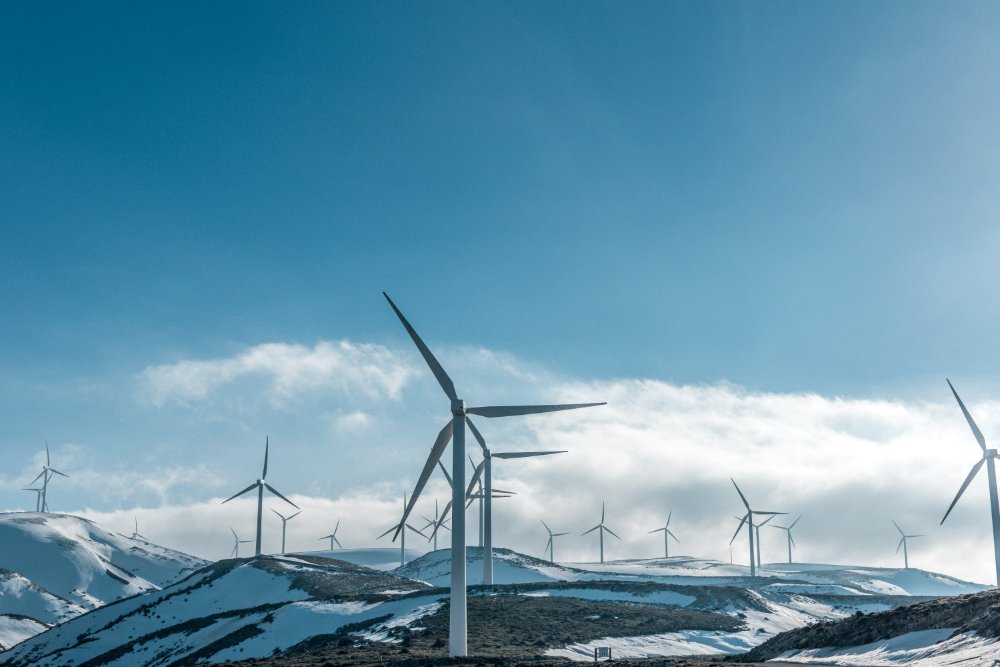
Renewable energy can support businesses that want greater control over long-term electricity expenses. Solar panels, wind systems, and other renewable technologies generate power from naturally available resources. Although installation may require a considerable initial investment, these systems can reduce purchased electricity under suitable conditions. Furthermore, businesses may benefit from financial incentives or energy programs where available. The actual savings depend on local energy prices, equipment performance, and installation costs.
For example, a warehouse with a suitable roof may install solar panels to generate electricity during daylight hours. The facility can use this power to support lighting, refrigeration, or other operations. If regulations and system design allow, businesses may also use battery storage to manage electricity consumption during expensive periods. However, companies should carefully assess maintenance requirements, financial returns, and local energy policies before selecting renewable energy solutions.
Managing Energy Expenses in Commercial Transportation
Transportation companies face energy challenges because fuel represents a major operating expense. Delivery trucks, commercial vans, and service vehicles often travel long distances and consume substantial amounts of fuel. Consequently, inefficient routes, unnecessary idling, and poor vehicle maintenance can increase transportation costs. Smarter energy systems help fleet operators monitor fuel use, improve driving practices, and identify opportunities to reduce expenses.
Fleet management technology can provide information about vehicle movement, engine performance, and energy consumption. For instance, route planning software can help drivers avoid unnecessary mileage and reduce time spent in traffic. Electric and hybrid vehicles may also offer savings for certain transportation operations. However, businesses must consider charging availability, vehicle costs, travel distances, and maintenance needs. Careful planning allows companies to select practical energy solutions that support reliable fleet performance.
Using Energy Data to Support Better Decisions
Accurate energy information helps businesses understand how daily operations affect operating expenses. Digital monitoring systems can track electricity consumption across buildings, departments, and equipment. Managers can use this information to identify unusual patterns and compare performance over time. Furthermore, energy reports help organizations measure whether efficiency improvements deliver expected results. This evidence supports better budgeting and more responsible resource management.
For example, a manufacturing company may discover that certain machines consume excessive electricity during low production periods. By reviewing operating schedules, managers can adjust equipment usage and reduce unnecessary expenses. Similarly, businesses can compare energy consumption before and after installing efficient lighting or improved cooling systems. Regular performance reviews help organizations identify successful improvements and determine where additional investments may provide value.
Building an Effective Energy Cost Reduction Strategy
Successful energy management requires a clear plan that connects technology investments with business objectives. Organizations should begin by identifying their largest sources of energy consumption. Next, managers can evaluate available solutions based on installation expenses, maintenance needs, expected savings, and operational requirements. Moreover, employee involvement is essential because daily workplace habits influence energy consumption. Training staff to recognize unnecessary energy use can support technical improvements.
Businesses should also establish measurable energy efficiency goals and review progress regularly. For example, a company might aim to reduce electricity consumption per unit produced while maintaining production quality. Managers can monitor this target using monthly energy reports and equipment performance records. As technology improves, organizations can update their strategies to take advantage of new opportunities. A consistent approach helps businesses control expenses while maintaining operational reliability.
Conclusion: Creating Long-Term Value Through Energy Efficiency
Smarter energy systems provide businesses with practical opportunities to reduce operating expenses and improve resource management. Technologies such as automated controls, efficient equipment, renewable power, and digital monitoring help organizations use energy more effectively. In addition, improved maintenance practices and informed employee behavior can reduce unnecessary consumption. These improvements support better financial performance while helping businesses maintain reliable daily operations.
Ultimately, effective energy management combines modern technology with careful planning and continuous improvement. Companies that understand their energy needs can make better investment decisions and avoid unnecessary spending. Furthermore, tracking performance helps managers adjust strategies as business requirements change. By adopting suitable energy solutions, organizations can strengthen profitability, improve operational efficiency, and create a more sustainable foundation for future growth.