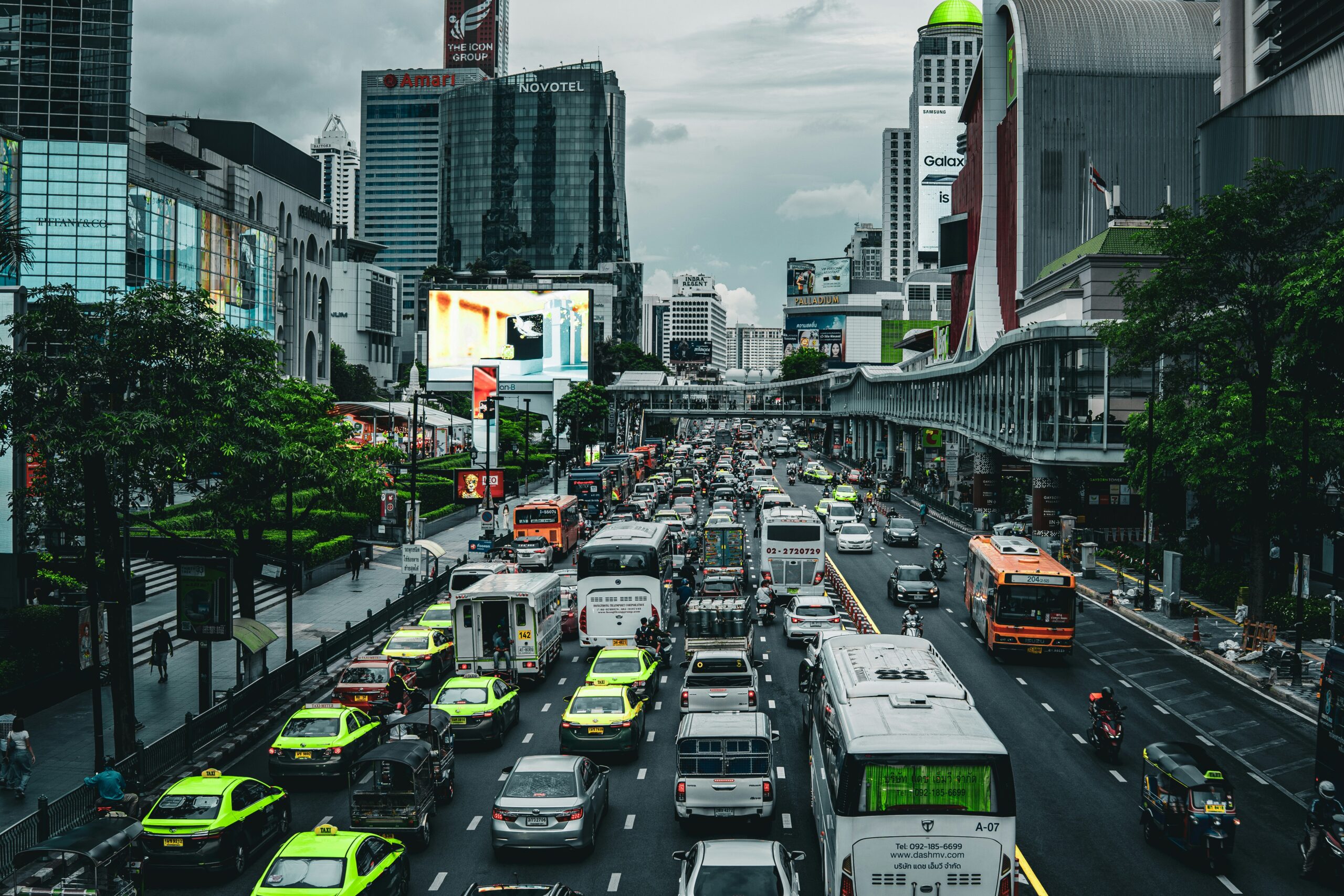
Smart city transportation is reshaping how communities move people, goods, and services. Modern urban systems now combine data, automation, and connectivity. Therefore, cities can improve travel experiences while reducing congestion and environmental pressure. This transformation represents a major shift from traditional transportation planning. It creates a future where mobility becomes more responsive, efficient, and accessible.
Urban leaders now recognize that transportation networks need intelligent solutions. Moreover, smart infrastructure helps cities understand movement patterns in real time. Sensors, cameras, and connected platforms provide valuable insights that lead to better decisions. As a result, transportation systems can adapt quickly to changing demands. This approach supports safer roads and stronger urban development.
Smart Cities Transportation Uses Advanced Digital Innovation
Smart city transportation relies on advanced technologies that connect vehicles, infrastructure, and passengers. Artificial intelligence helps analyze traffic conditions and predict possible disruptions. Furthermore, cloud platforms allow transportation managers to process large amounts of information. These capabilities create smoother journeys and more reliable services.
Connected vehicles also play an important role in this revolution. They communicate with roads, signals, and other vehicles. Consequently, drivers receive timely information about hazards and traffic changes. This reduces delays and supports safer travel. Additionally, autonomous vehicle technology may further transform urban mobility in the coming years.
The growth of intelligent transportation systems also improves public transit. Digital payment platforms, real-time updates, and automated scheduling enhance passenger experiences. Therefore, more people may choose public transportation instead of private vehicles. This change can reduce emissions and create cleaner urban environments.
Smart Cities Transportation Supports Sustainable Urban Growth
Sustainability is a central goal of the intelligent transportation revolution. Cities face increasing pressure to reduce pollution and manage population growth. However, smart mobility solutions provide practical ways to address these challenges. Electric transportation, shared mobility, and efficient routing systems support greener communities.
Smart city transportation also helps organizations manage resources more effectively. For example, logistics companies can use data analytics to optimize delivery routes. This reduces fuel consumption and improves operational performance. Furthermore, businesses gain better visibility into transportation activities. As a result, smart mobility delivers both economic and environmental benefits.
Energy management is another important factor in sustainable transportation. Connected charging networks help electric vehicles operate more efficiently. Moreover, renewable energy integration strengthens clean transportation goals. These developments show how technology can support long-term urban resilience.
Smart Cities Transportation Improves Safety and Accessibility
Safety remains one of the most important priorities in modern transportation. Smart systems monitor roads and identify potential risks before accidents occur. Additionally, predictive analytics can help authorities respond faster to emergencies. Therefore, technology creates safer conditions for drivers, passengers, and pedestrians.
Accessibility is also improving through intelligent mobility solutions. Digital platforms help users find transportation options that match their needs. Furthermore, connected services can support elderly passengers and people with disabilities. These improvements create more inclusive cities where everyone can participate.
Public agencies also benefit from smarter transportation management. They can use accurate data to plan infrastructure investments. Consequently, cities can develop transportation networks that serve growing populations. This strategic approach strengthens urban communities and improves quality of life.
Smart Cities Transportation Shapes the Future of Connected Mobility
The future of smart city transportation will depend on collaboration between governments, businesses, and technology providers. Together, these groups can build systems that support innovation and sustainability. Moreover, continuous investment will help cities respond to future mobility challenges.
The intelligent transportation revolution is not only about technology. It is also about creating better experiences for communities. Therefore, successful smart mobility strategies must consider human needs alongside digital progress. Cities that embrace this balance can create stronger transportation ecosystems.
Ultimately, smart city transportation represents a new vision for urban movement. It combines intelligence, sustainability, and connectivity to transform daily travel. As technology continues to advance, cities will discover new opportunities to achieve safer, more efficient mobility. The future belongs to communities that use innovation to create meaningful transportation improvements.
Smart Cities Transportation Enables Strategic Economic Progress
Smart city transportation creates new opportunities for economic growth through smarter planning and efficient movement. Businesses can benefit from faster deliveries, improved logistics, and stronger connections. Moreover, cities can attract investment by building advanced transportation networks. These systems encourage innovation across industries and support competitive urban economies.
Furthermore, intelligent mobility solutions help decision-makers measure performance and identify areas for improvement. Data-driven strategies allow communities to manage growth with greater confidence. Therefore, transportation innovation becomes a foundation for sustainable progress. By combining technology and human-focused design, smart cities can build mobility systems that serve future generations.
These advancements also strengthen regional connections and create opportunities for collaboration. In addition, they help communities prepare for changing transportation needs. Thus, intelligent mobility becomes essential for modern cities worldwide with lasting positive social impacts.