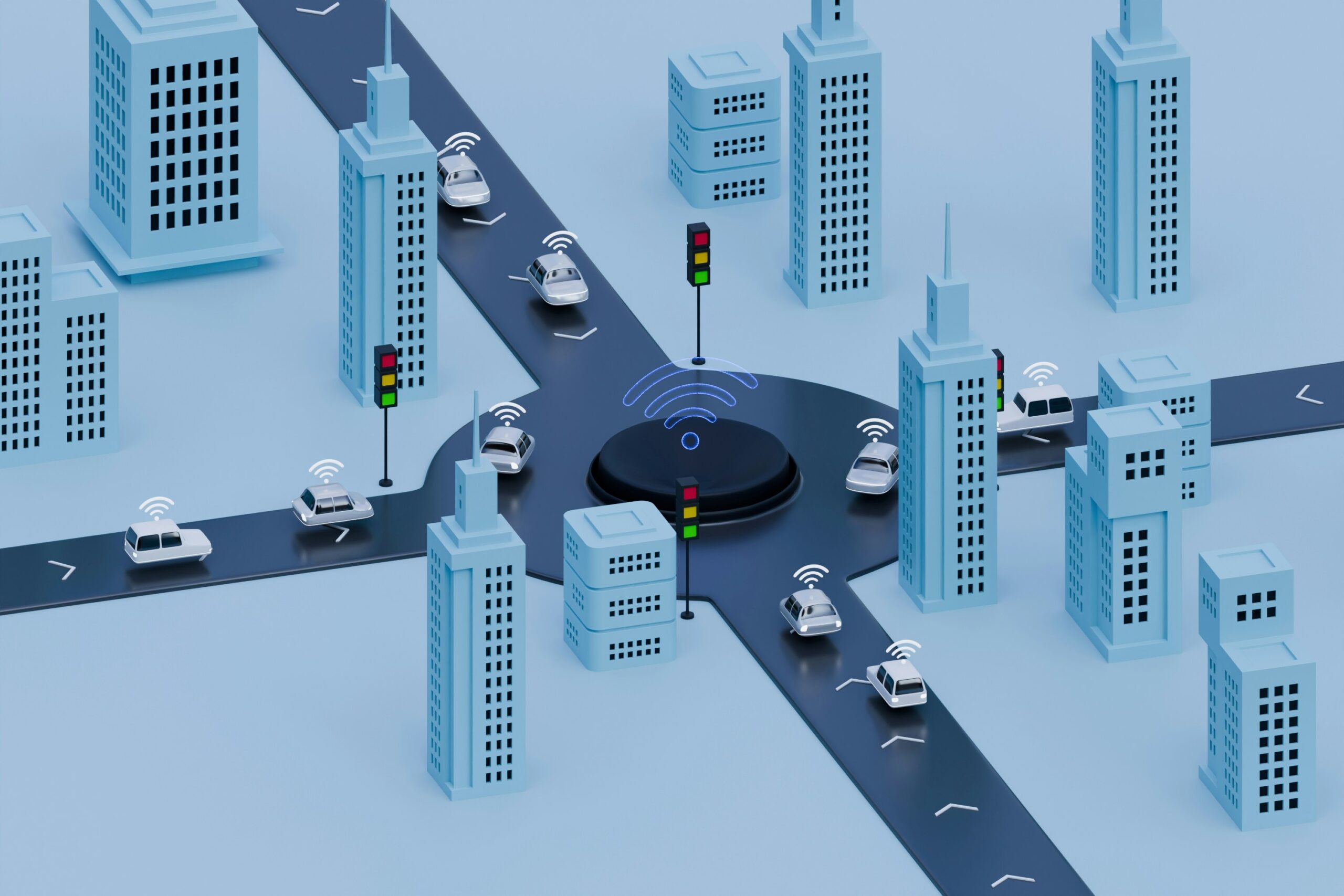
Cities across the world continue to grow at a rapid pace. As populations rise, transportation networks face greater pressure every day. Businesses depend on reliable delivery systems, efficient freight movement, and smooth traffic flow to meet customer expectations. Because of these demands, many urban areas now invest in advanced technology to improve mobility and reduce transportation challenges. This shift has created a strong connection between Smart Cities and Commercial Transportation, shaping the future of urban commerce.
Modern smart cities use digital tools, connected infrastructure, and real-time data to manage transportation systems more effectively. As a result, commercial transportation companies can operate more efficiently while reducing costs and environmental impact. Furthermore, these innovations create safer roads, better delivery schedules, and stronger economic growth. The transformation has already begun, and its influence will continue to expand in the coming years.
The Foundation of Smart Transportation Systems
Smart transportation systems form the backbone of modern smart cities. These systems collect and analyze data from roads, vehicles, traffic signals, and public infrastructure. As a result, city managers gain valuable insights into traffic patterns and transportation demands. This information helps them make better decisions that improve mobility for businesses and residents alike.
Commercial transportation companies benefit greatly from these technologies. Fleet operators can monitor vehicle performance, identify delays, and optimize routes in real time. Consequently, businesses reduce fuel consumption and delivery times while improving customer satisfaction. Moreover, transportation managers can quickly respond to changing road conditions, creating a more reliable logistics network.
Real-Time Traffic Management Improves Efficiency
Traffic congestion remains one of the largest challenges for commercial transportation. Delays increase operating costs, waste fuel, and disrupt delivery schedules. However, smart cities use intelligent traffic management systems to address these issues. Sensors, cameras, and connected traffic lights continuously gather information and adjust traffic flow based on current conditions.
This real-time approach allows commercial vehicles to move through urban areas more efficiently. Drivers spend less time sitting in traffic and more time completing deliveries. In addition, businesses can predict travel times with greater accuracy. Therefore, logistics companies gain a competitive advantage while reducing unnecessary expenses and improving service reliability.
Connected Infrastructure Supports Commercial Fleets
Connected infrastructure creates direct communication between vehicles and city systems. Through vehicle-to-infrastructure technology, commercial fleets receive updates about traffic conditions, construction zones, accidents, and road closures. This constant flow of information allows transportation operators to make quick adjustments when necessary.
The benefits extend beyond route optimization. Connected infrastructure also improves safety by providing early warnings about potential hazards. As cities continue expanding these networks, commercial transportation companies will experience fewer disruptions and better operational performance. Consequently, supply chains become more resilient and responsive to changing market demands.
Data Analytics Drives Better Transportation Decisions
Data has become one of the most valuable resources in modern transportation. Smart cities generate enormous amounts of information from transportation systems every day. Advanced analytics platforms process this data and identify trends that would otherwise remain hidden. Businesses can then use these insights to improve operations and allocate resources more effectively.
Transportation companies gain significant advantages from data-driven decision-making. For example, fleet managers can predict maintenance needs before equipment fails. Similarly, logistics teams can forecast delivery demand and prepare accordingly. Because of these capabilities, businesses reduce downtime, lower operating costs, and maintain higher service levels throughout their transportation networks.
Sustainable Transportation Solutions Reduce Environmental Impact
Environmental sustainability has become a major priority for cities and businesses alike. Commercial transportation contributes significantly to urban emissions, making sustainability efforts increasingly important. Smart cities address this challenge through cleaner transportation technologies and more efficient traffic management systems.
Electric vehicles, smart charging stations, and optimized routing systems help reduce fuel consumption and emissions. Additionally, intelligent transportation networks minimize unnecessary idling and congestion. These improvements support environmental goals while lowering operating costs for transportation companies. As governments continue promoting green initiatives, sustainable transportation solutions will become an even more important part of commercial operations.
Autonomous Vehicles Transform Freight Movement
Autonomous vehicle technology continues to advance at an impressive pace. While widespread adoption may take time, smart cities are already preparing for a future that includes self-driving commercial vehicles. Advanced sensors, connected infrastructure, and artificial intelligence work together to create safer and more efficient transportation environments.
Commercial transportation companies stand to gain substantial benefits from autonomous technology. Self-driving delivery vehicles can operate with greater consistency and precision. Furthermore, autonomous systems may reduce labor shortages and improve delivery reliability. As smart city infrastructure evolves, autonomous transportation will likely become a key component of urban logistics networks.
Last-Mile Delivery Becomes Faster and Smarter
Last-mile delivery represents one of the most complex and expensive parts of commercial transportation. Customers expect faster deliveries, yet urban congestion often creates significant challenges. Smart cities help address this problem by providing technologies that improve route planning and delivery coordination.
Real-time data allows delivery companies to avoid delays and identify the fastest available routes. Additionally, smart lockers, automated delivery hubs, and connected infrastructure simplify package distribution. These innovations improve efficiency while enhancing customer satisfaction. As e-commerce continues growing, smart city solutions will play an increasingly important role in last-mile logistics.
Enhanced Safety Through Intelligent Technologies
Safety remains a top priority for commercial transportation providers. Accidents create financial losses, disrupt operations, and put lives at risk. Smart cities use intelligent technologies to improve road safety and reduce transportation-related incidents. Advanced traffic monitoring systems can detect dangerous conditions and alert drivers before accidents occur.
Commercial fleets also benefit from connected safety features such as collision avoidance systems and predictive maintenance tools. These technologies help drivers respond to hazards more effectively while reducing vehicle failures. Consequently, businesses experience fewer disruptions and lower insurance costs. Improved safety also strengthens public confidence in commercial transportation services.
The Future of Smart Cities and Commercial Transportation
The future of Smart Cities and Commercial Transportation will involve deeper integration between technology, infrastructure, and business operations. Artificial intelligence, machine learning, and advanced connectivity will continue to improve transportation efficiency in urban environments. As cities adopt more intelligent systems, commercial transportation networks will become increasingly adaptive and responsive.
Businesses that embrace these innovations will position themselves for long-term success. They will benefit from reduced costs, improved delivery performance, and stronger customer relationships. At the same time, cities will enjoy cleaner air, safer roads, and more sustainable transportation systems. Together, smart cities and commercial transportation will redefine how goods move through urban environments and shape the future of global commerce.