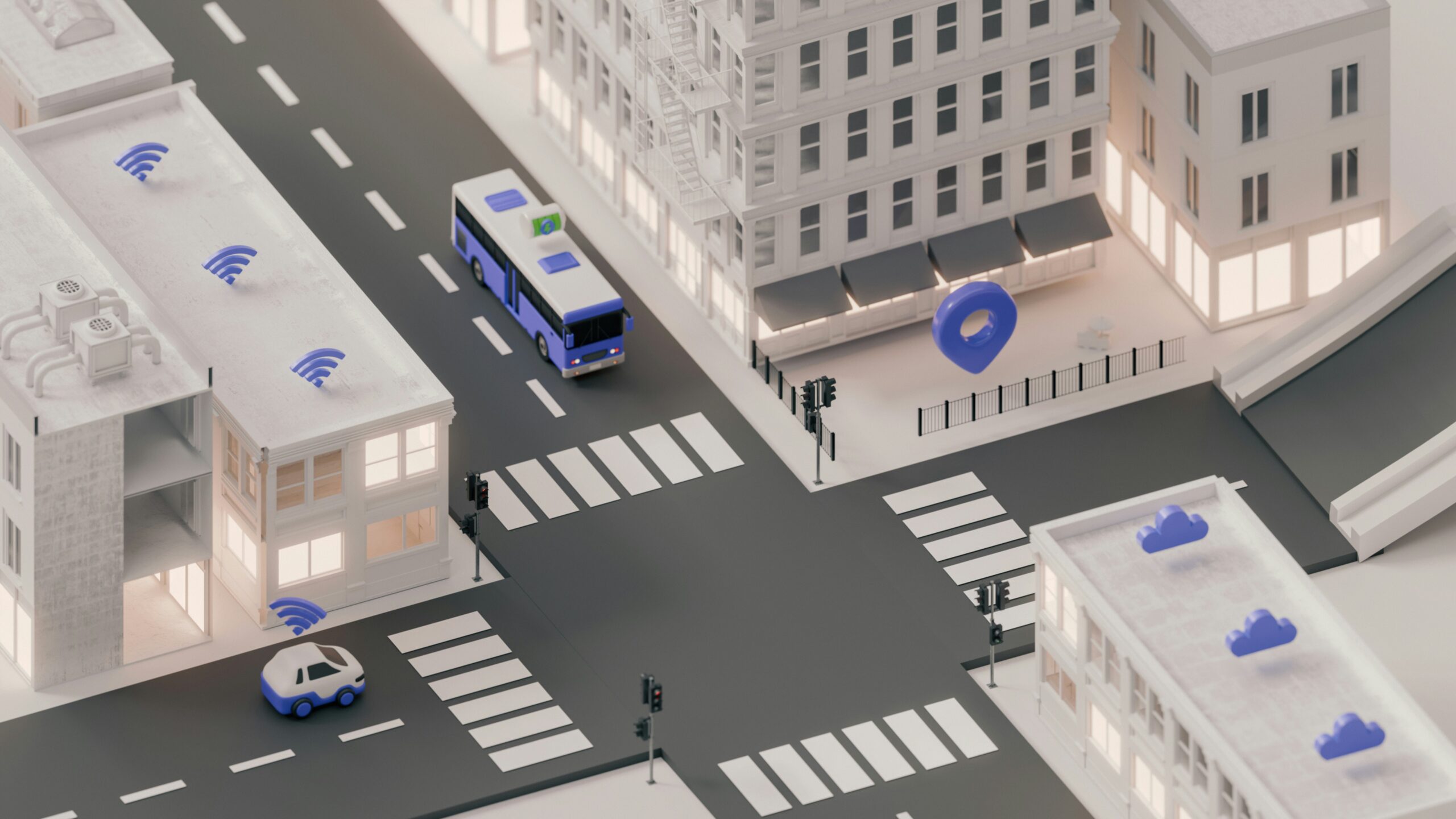
Smart cities are changing how businesses move products, manage fleets, and serve customers across growing urban areas. As populations increase, transportation networks face greater pressure from traffic, delivery demand, parking limits, emissions, and rising operating costs.
These changes can help commercial operators use roads more efficiently while supporting faster and more reliable deliveries. In addition, better coordination between public infrastructure and private transportation services can reduce delays and improve the movement of goods. As modern technology continues to advance, urban logistics is becoming more connected, responsive, and data-driven.
Connected Transportation Networks Improve Urban Mobility
Modern transportation networks depend on fast access to accurate information. Traffic sensors, connected road systems, GPS platforms, and cloud-based software can help operators understand what happens across busy routes. As a result, fleet managers can adjust travel plans when congestion, road closures, or delivery delays affect normal operations. Real-time information also helps drivers avoid unnecessary waiting and improves route planning.
Businesses can also use connected systems to coordinate transportation activities from one central platform. For example, a logistics team can monitor vehicle locations, delivery progress, traffic conditions, and estimated arrival times. This visibility allows managers to respond faster when conditions change. Moreover, customers can receive more accurate delivery updates.
Intelligent Traffic Management Supports Commercial Fleets
Traffic congestion creates major challenges for commercial transportation. When vehicles spend too much time in slow-moving traffic, businesses face higher fuel use, longer delivery windows, and increased labor costs. Intelligent traffic management systems can respond to changing road conditions by using sensors, cameras, connected signals, and data platforms.
Smart traffic signals can provide another useful solution. Instead of relying only on fixed timing, connected signals can respond to traffic volume and changing conditions. For instance, a system may adjust signal timing when a major commercial route becomes crowded.
Electric Vehicles Are Changing Commercial Mobility
The growth of electric vehicles is creating new possibilities for commercial transportation. Electric vans, trucks, and other fleet vehicles can support businesses that want to reduce dependence on conventional fuel. At the same time, cities are developing charging infrastructure to support cleaner transportation options.
Electric commercial fleets can work particularly well for predictable routes. For example, delivery vehicles that return to a central facility each day may have easier access to scheduled charging. In addition, businesses can use fleet management software to track battery levels and plan charging around delivery needs. However, successful adoption requires careful planning and suitable infrastructure.
Data Helps Businesses Build Smarter Delivery Routes
Data has become an important part of modern logistics planning. Businesses can collect information about delivery times, traffic patterns, customer locations, vehicle performance, and route conditions. They can then use this information to identify patterns and improve future decisions.
Route optimization can also improve vehicle utilization. Instead of sending several vehicles through overlapping routes, businesses can use advanced software to organize deliveries more efficiently. Furthermore, data can help companies balance delivery speed with fuel use and operating costs. This approach becomes especially valuable when businesses handle large numbers of daily deliveries.
Last-Mile Delivery Is Becoming More Efficient
The last mile often represents one of the most difficult parts of the delivery process. Vehicles must navigate crowded streets while making multiple stops within limited time windows. Consequently, businesses are exploring new approaches to improve delivery efficiency. Digital route planning, smart lockers, pickup centers, and coordinated delivery schedules can reduce unnecessary vehicle movement.
Urban delivery hubs provide another potential solution. A company can move large shipments to a nearby local facility and then use smaller vehicles for final deliveries. This approach can reduce the number of large commercial vehicles traveling through dense areas. Moreover, businesses can combine several deliveries into optimized routes.
Smart Parking Supports Faster Commercial Operations
Parking can create hidden delays for commercial drivers. A delivery vehicle may reach its destination but spend several minutes searching for a suitable loading space. Across many stops, those small delays can become significant operational costs. Smart parking technology can help by providing information about available spaces, loading zones, restrictions, and usage patterns.
Cities can also use parking data to manage commercial loading areas more effectively. Digital permits and connected parking systems can improve visibility into how loading zones are used. Furthermore, data can reveal locations where businesses regularly face parking shortages. City planners can then use this information when considering future infrastructure changes.
Better Infrastructure Builds Sustainable Urban Logistics
Transportation technology works best when cities provide suitable physical infrastructure. Roads, charging stations, loading zones, distribution centers, public transit connections, and digital networks all influence commercial mobility.
Sustainability also plays an important role in future logistics planning. Businesses can reduce unnecessary vehicle trips through better route management, delivery consolidation, and efficient fleet operations. In addition, cleaner vehicles can support efforts to reduce transportation-related emissions.
Automation Creates New Logistics Opportunities
Automation is becoming increasingly important across warehouses and transportation operations. Automated sorting systems, robotic equipment, digital platforms, and advanced scheduling tools can help businesses process orders more efficiently. When warehouse systems connect with transportation software, companies can coordinate inventory movement and delivery planning more effectively.
Autonomous technology may also influence future commercial transportation. However, successful adoption depends on safety, infrastructure, regulation, cost, and technical reliability. Businesses must therefore evaluate automation based on practical operating needs rather than technology alone.