As businesses expand, transportation becomes an increasingly important part of daily operations. Companies often need more vehicles to deliver products, transport employees, visit customers, and manage supply chains. However, expanding a vehicle fleet can increase fuel expenses, carbon emissions, and maintenance costs. Developing an eco-friendly vehicle strategy helps growing companies manage these challenges while supporting long-term business goals.
A sustainable vehicle strategy focuses on choosing cleaner transportation options, improving fuel efficiency, and managing fleet operations responsibly. It allows businesses to reduce their environmental impact without sacrificing productivity or customer service. With careful planning, companies can build a transportation system that supports growth, controls expenses, and promotes environmental responsibility.
Understanding the Need for Sustainable Fleet Management
Fleet management is an important responsibility for businesses that depend on regular transportation. Traditional vehicles often consume large amounts of fuel and produce emissions that contribute to environmental pollution. As a company grows, these effects can become more significant.
An eco-friendly vehicle strategy helps organizations identify opportunities to reduce fuel consumption and improve transportation efficiency. It also encourages businesses to consider environmental performance when purchasing, operating, and replacing vehicles.
Customers, employees, and business partners increasingly value organizations that demonstrate responsible environmental practices. Companies that invest in greener transportation can strengthen their reputation while preparing for future environmental standards and industry expectations.
Choosing the Right Eco-Friendly Vehicles
Selecting suitable vehicles is one of the most important steps in building a sustainable fleet. Businesses should evaluate their transportation requirements before making purchasing decisions. Factors such as daily travel distance, cargo capacity, driving conditions, and operating costs can influence the best vehicle choice.
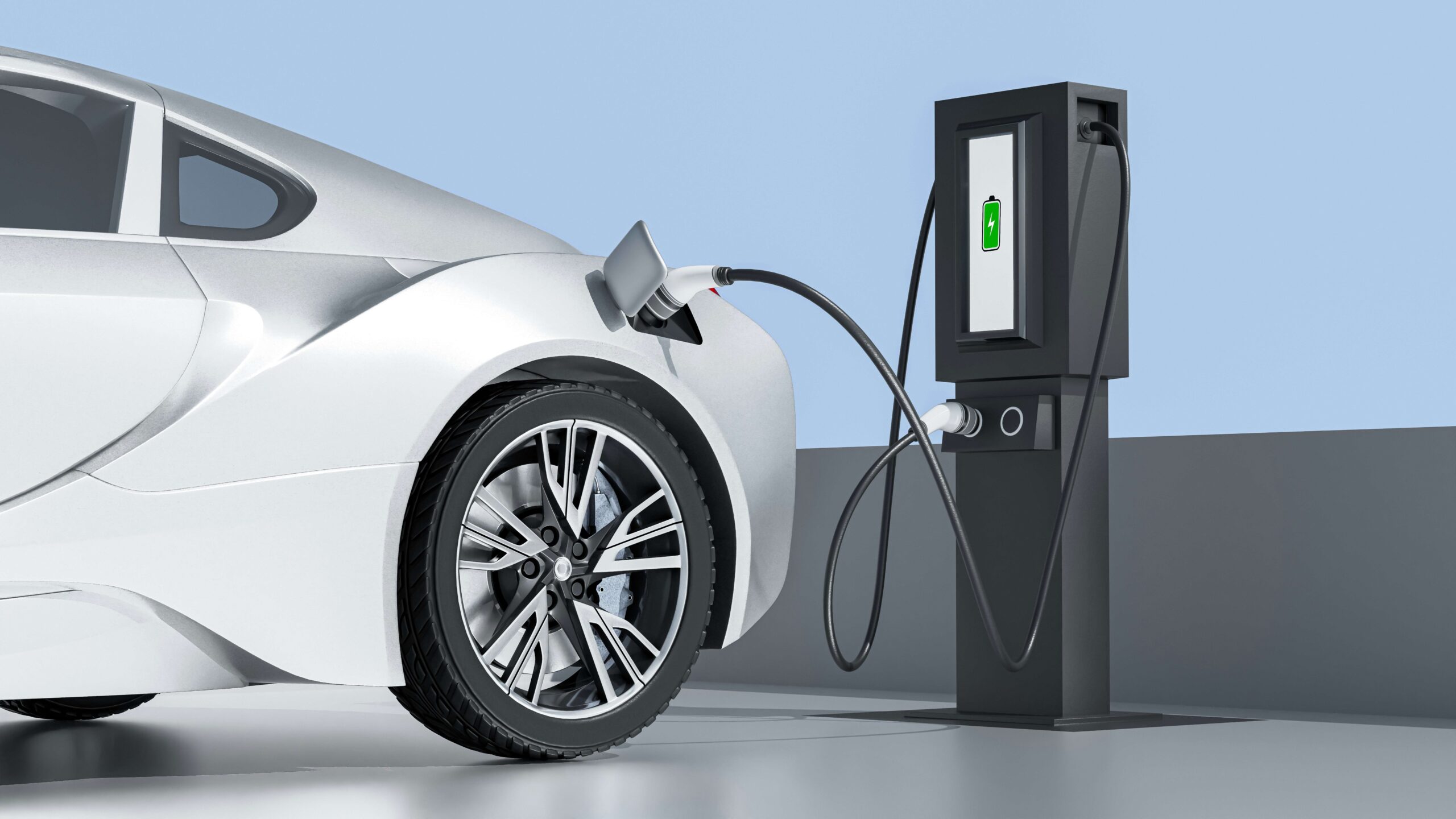
Electric vehicles are becoming a popular option because they produce no tailpipe emissions and generally require less routine maintenance than conventional vehicles. They can be particularly useful for companies that operate delivery vans, passenger cars, and other vehicles with predictable travel routes.
Hybrid vehicles can also provide a practical solution for businesses that are not ready to move entirely toward electric transportation. They combine traditional engines with electric power to improve fuel efficiency.
For companies with heavier transportation needs, fuel-efficient trucks and vehicles that use suitable alternative fuels may offer additional opportunities. The main objective is to select vehicles that match operational needs while reducing environmental impact.
Planning a Cost-Effective Vehicle Transition
Switching to environmentally friendly vehicles requires financial planning. Electric and other advanced vehicles may cost more upfront, which can create challenges for businesses with limited budgets.
Instead of replacing an entire fleet immediately, growing companies can introduce sustainable vehicles gradually. They can begin by replacing older vehicles that consume more fuel or require frequent repairs. This approach spreads investment costs over time and allows managers to evaluate the performance of new vehicles.
Businesses should also consider the total cost of ownership rather than focusing only on the purchase price. Fuel savings, maintenance expenses, charging costs, vehicle lifespan, and available financial incentives all influence long-term value.
A well-planned transition allows companies to improve fleet sustainability while maintaining financial stability and operational flexibility.
Improving Fleet Efficiency With Technology
Technology plays a major role in making vehicle operations more sustainable. Modern fleet management systems help businesses monitor vehicle performance, track fuel consumption, and identify inefficient driving habits.
GPS tracking and route optimization software can help drivers avoid traffic congestion and unnecessary travel. Shorter routes reduce energy consumption, save time, and improve delivery schedules.
Telematics systems provide useful information about vehicle speed, idling time, maintenance needs, and overall performance. Managers can use this information to identify problems early and make better operational decisions.
Digital fleet management also helps companies understand which vehicles are performing efficiently and which may need replacement. By using accurate data, businesses can make informed decisions that support both environmental goals and productivity.
Building Reliable Charging and Maintenance Plans
Companies introducing electric vehicles must include charging infrastructure in their transportation strategy. Reliable charging access helps prevent operational delays and ensures vehicles are ready for daily assignments.
Businesses with suitable facilities can install charging stations at offices, warehouses, or distribution centers. Businesses can arrange charging schedules around vehicle usage patterns to reduce disruptions and manage electricity expenses.
Regular vehicle maintenance is equally important. Electric vehicles generally have fewer moving parts than conventional vehicles, but their batteries, tires, brakes, and electrical systems still require proper attention.
A planned maintenance schedule helps extend vehicle life, improve safety, and prevent unexpected repair expenses. Working with qualified service providers can also make fleet management more reliable.
Encouraging Sustainable Driving Habits
Vehicle technology alone cannot create a fully sustainable transportation system. Employee behavior also plays an important role in reducing environmental impact.
Companies should encourage drivers to adopt responsible driving habits, including maintaining steady speeds, avoiding unnecessary idling, and following efficient routes. Proper tire pressure and regular vehicle inspections can further improve energy efficiency.
Driver training programs can help employees understand how their actions affect fuel consumption, vehicle performance, and operating costs.
Businesses can also introduce internal sustainability policies that encourage responsible vehicle use. These simple changes can deliver meaningful improvements without requiring major financial investments.
Measuring Environmental and Business Performance
An effective eco-friendly vehicle strategy needs regular evaluation. Companies should monitor important performance indicators, including fuel consumption, vehicle emissions, maintenance expenses, energy usage, and transportation costs.
Comparing these results over time helps managers understand whether their sustainability initiatives are producing meaningful improvements.
Businesses can set realistic environmental targets and track progress as operations expand. Transparent reporting also helps demonstrate accountability to customers, employees, and business partners.
Preparing for Long-Term Sustainable Growth
Building an eco-friendly vehicle strategy is an ongoing process, not a one-time investment. As businesses grow, their transportation needs, available technologies, and environmental responsibilities will keep changing.
Companies that regularly review their fleet plans can adapt to new opportunities and avoid unnecessary expenses. Investing in cleaner vehicles, efficient logistics, employee training, and modern fleet technology creates a stronger foundation for sustainable operations.
By making thoughtful transportation decisions today, growing companies can reduce their environmental footprint, improve cost management, and build a more responsible business model for the future.